ROBOMISE - Outdoor Equipment Partner Start a Project →
Menu
POOL & WATER CARE · B2B SOURCING

Pool & Water Care Equipment Sourcing for B2B Buyers

Buying a pool equipment range means matching products to the pools, markets and service responsibilities they must support. ROBOMISE helps importers, distributors and private-label brands define requirements and evaluate potential sourcing options in China.

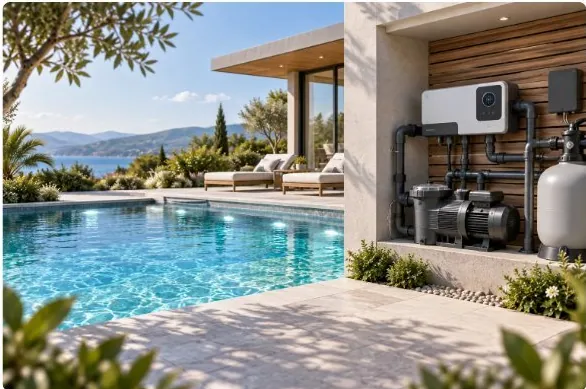
Pool circulation and filtration equipment beside a residential swimming pool.
PRODUCT RANGE

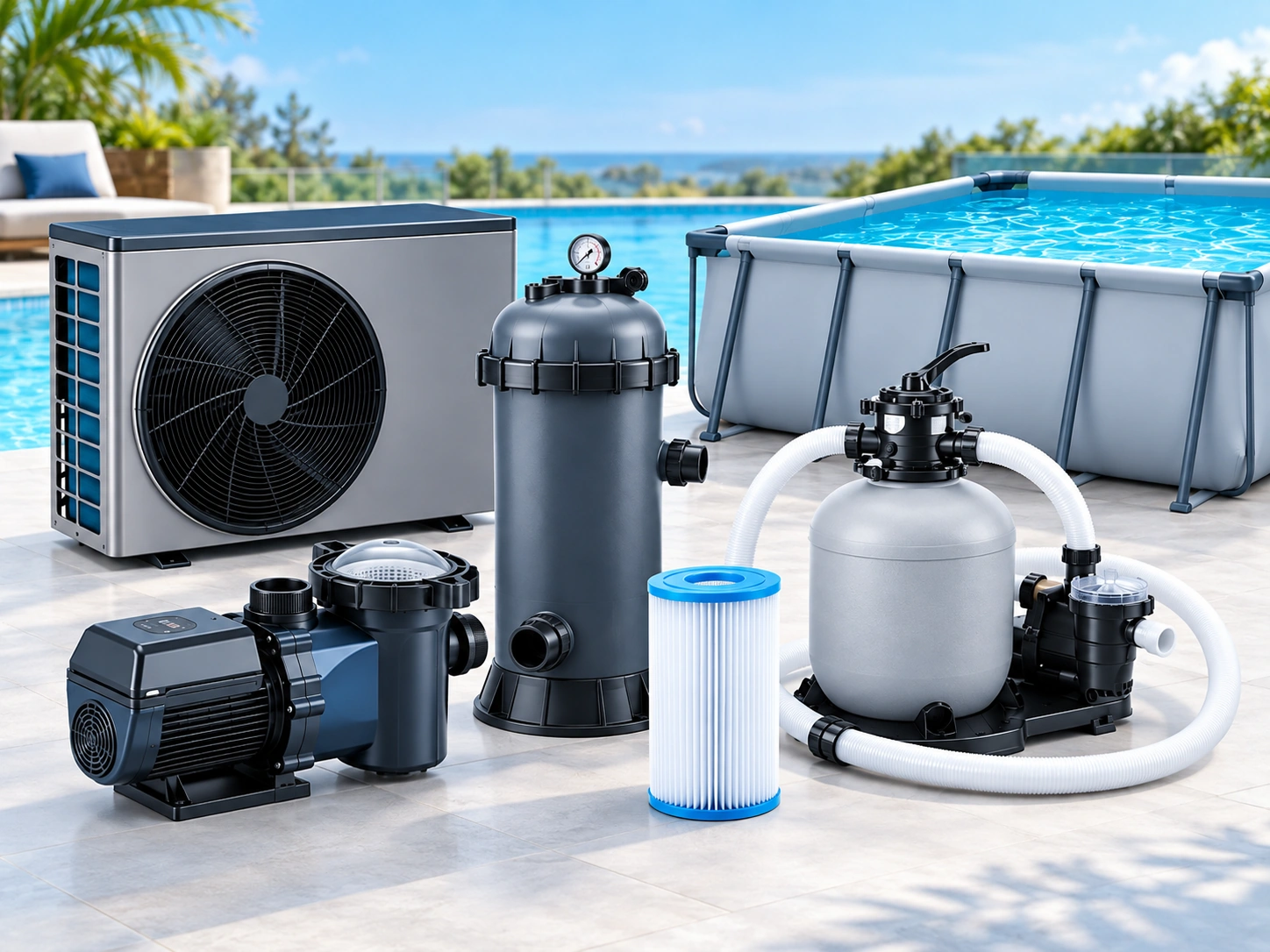
Pumps, filtration, heating & pools

Start with the pool system: hydraulic performance, heating and filtration are different procurement decisions. Above-ground and drop-stitch pools require separate checks for material construction, fittings, packed dimensions and freight.

Back to categories ↑
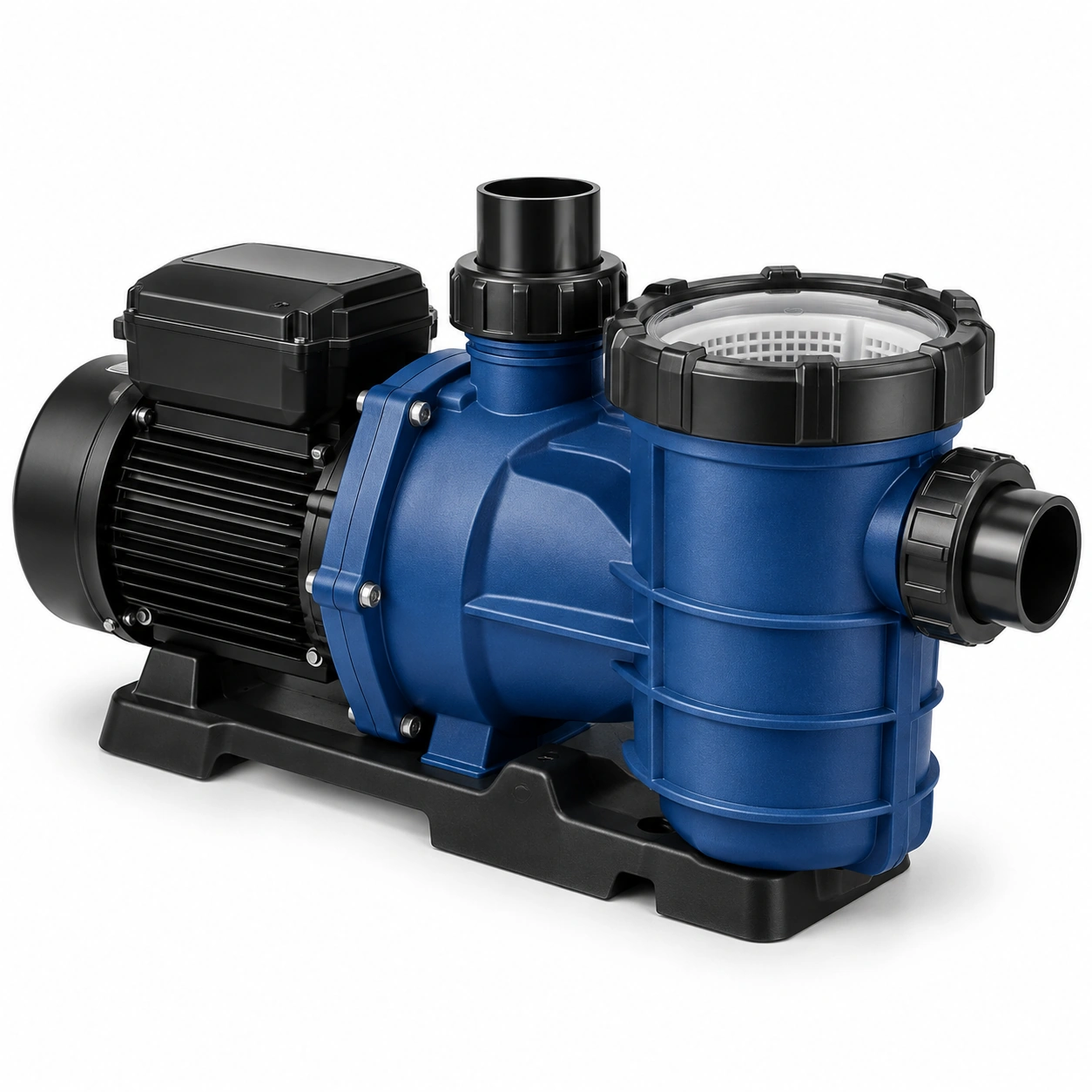
Variable-Speed Pool Pumps

Variable-Speed Pool Pumps

For OEM variable-speed pool pump sourcing, compare flow at the specified operating head, electrical versions and the exact-model performance curve—not motor horsepower alone.

Duty point: flow + headSupply voltage and frequency
How to Compare OEM Variable-Speed Pool Pumps
  • Ask suppliers for the pump curve showing required flow at your actual operating head; nominal motor power alone cannot establish suitability.
  • Specify destination-market voltage and frequency, daily circulation target, union connections and available installation space.
  • Compare the controller interface, dry-run or fault protection, and whether motor/drive modules can be serviced separately.
  • Include the exact model, performance-test conditions and replacement seal or impeller references in your RFQ.
Pool Heat Pumps

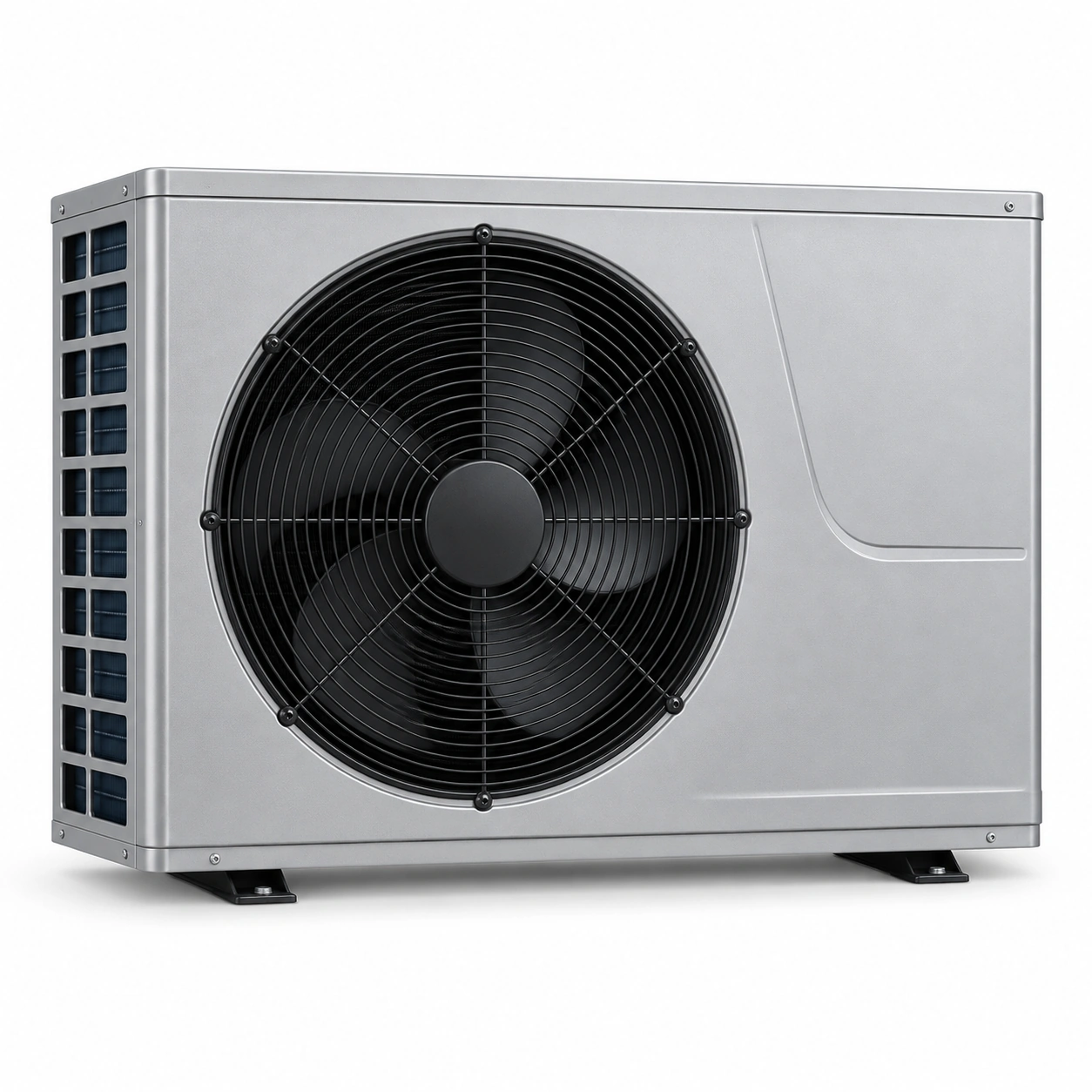
Pool Heat Pumps

Compare pool heat pump suppliers using heating capacity and efficiency at equivalent air and water test conditions. Check the climate, installation and service requirements of your destination market.

Local climate and swimming seasonCapacity rating basis
Pool Heat Pump Suppliers: Which Performance Data Matters?
  • Define pool volume, target water temperature, seasonal climate and the installation environment before discussing heating capacity.
  • Compare published heating output and efficiency using stated air temperature, water temperature and test conditions.
  • Check electrical supply, operating noise basis, drainage, footprint and heat-exchanger construction for the intended installation.
  • Ask for exact-model performance documents, installation manuals and after-sales arrangements for refrigerant-side service.
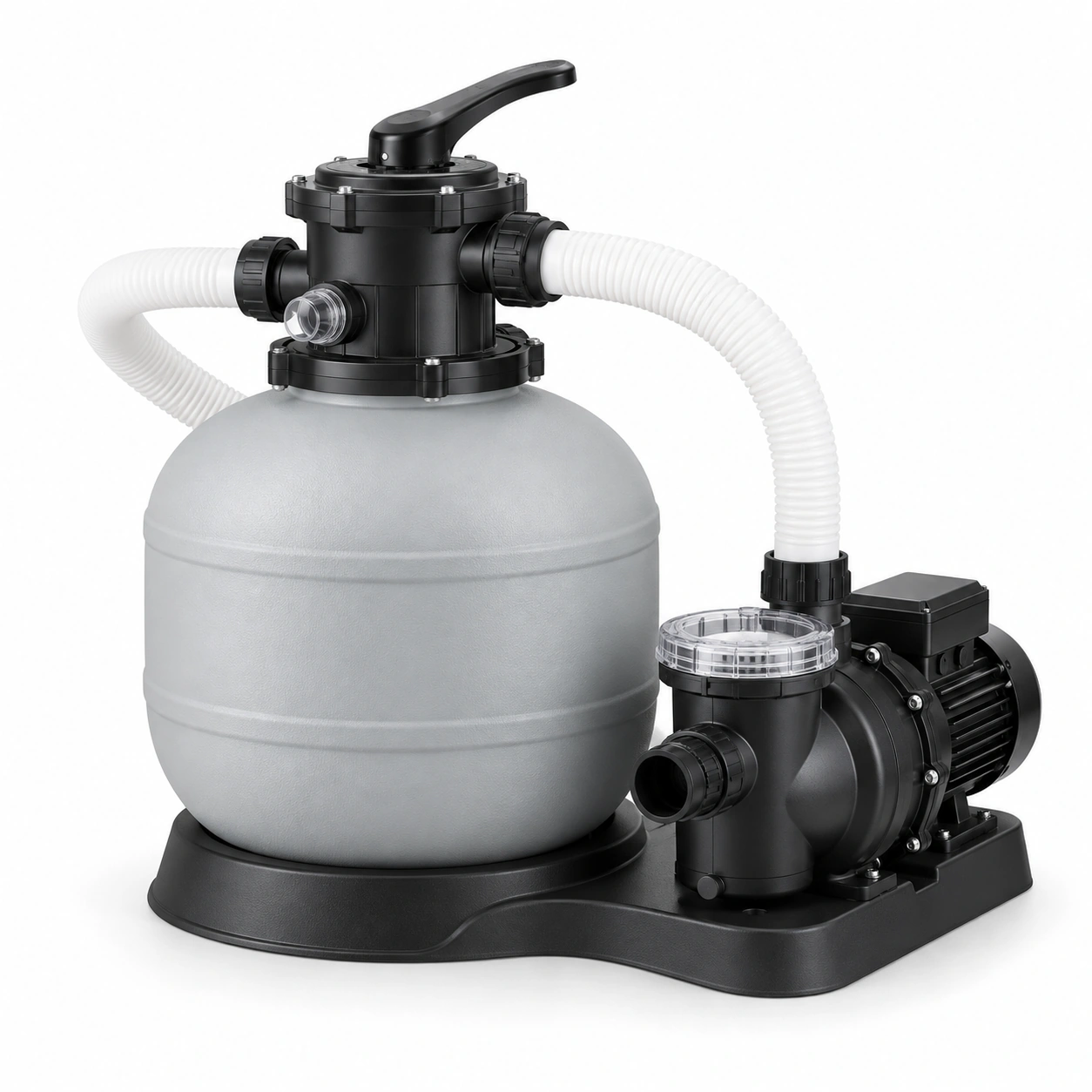
Above-Ground Filter-Pump Sets

Above-Ground Filter-Pump Sets

Before requesting quotations for above-ground filter-pump sets, confirm pool volume, connector size, working flow and the replacement filter type. A complete kit must match the intended pool.

Pool connector dimensionsFiltration and pump compatibility
Above-Ground Pool Filter-Pump Sets: Hose and Filter Compatibility
  • Match the set to above-ground pool volume, inlet/outlet positions, hose dimensions and expected filtration turnover.
  • Request a complete bill of materials listing pump, filter housing, media or cartridges, hoses, unions and adapters.
  • Compare operating flow under realistic system resistance—not only a zero-head or maximum-flow headline figure.
  • Check setup instructions, replacement cartridges, connector compatibility and spare-part orderability.
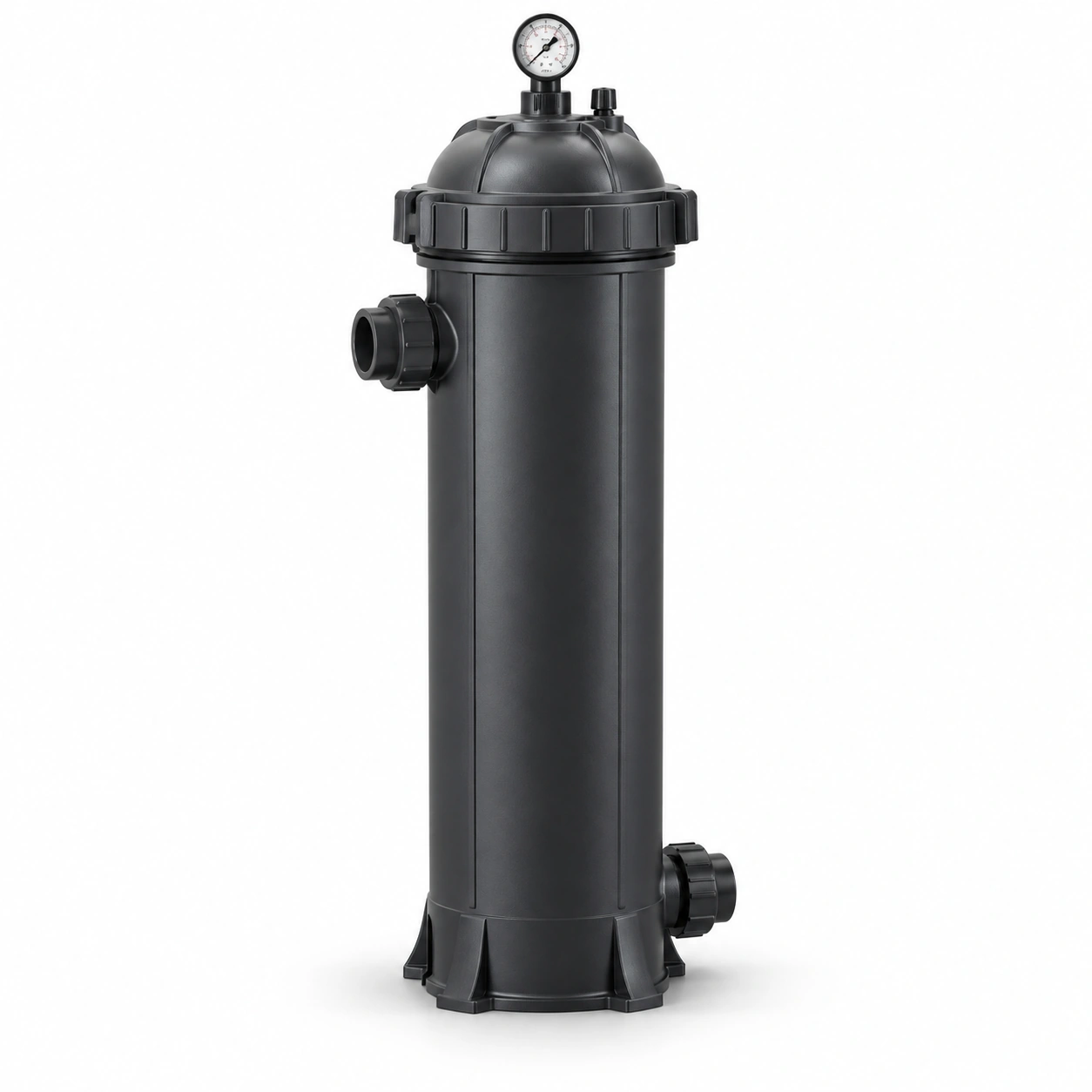
Cartridge Filter Systems

Cartridge Filter Systems

For cartridge pool filter sourcing, compare rated working flow, filter-media area, pressure loss and the clearance needed to remove the cartridge. Maintenance access affects service costs.

Media area and flow conditionsHousing access for maintenance
Cartridge Pool Filter Systems: Sizing and Maintenance Checklist
  • Set the design flow rate, acceptable pressure drop and required installation clearance for cartridge removal.
  • Compare the housing and cartridge dimensions, connections, vent and drain points, and service access.
  • Ask for filter-element specifications with the stated filtration performance conditions, not only a surface-area claim.
  • Confirm replacement-element part numbers, sealing parts and cleaning/replacement guidance for distributors.
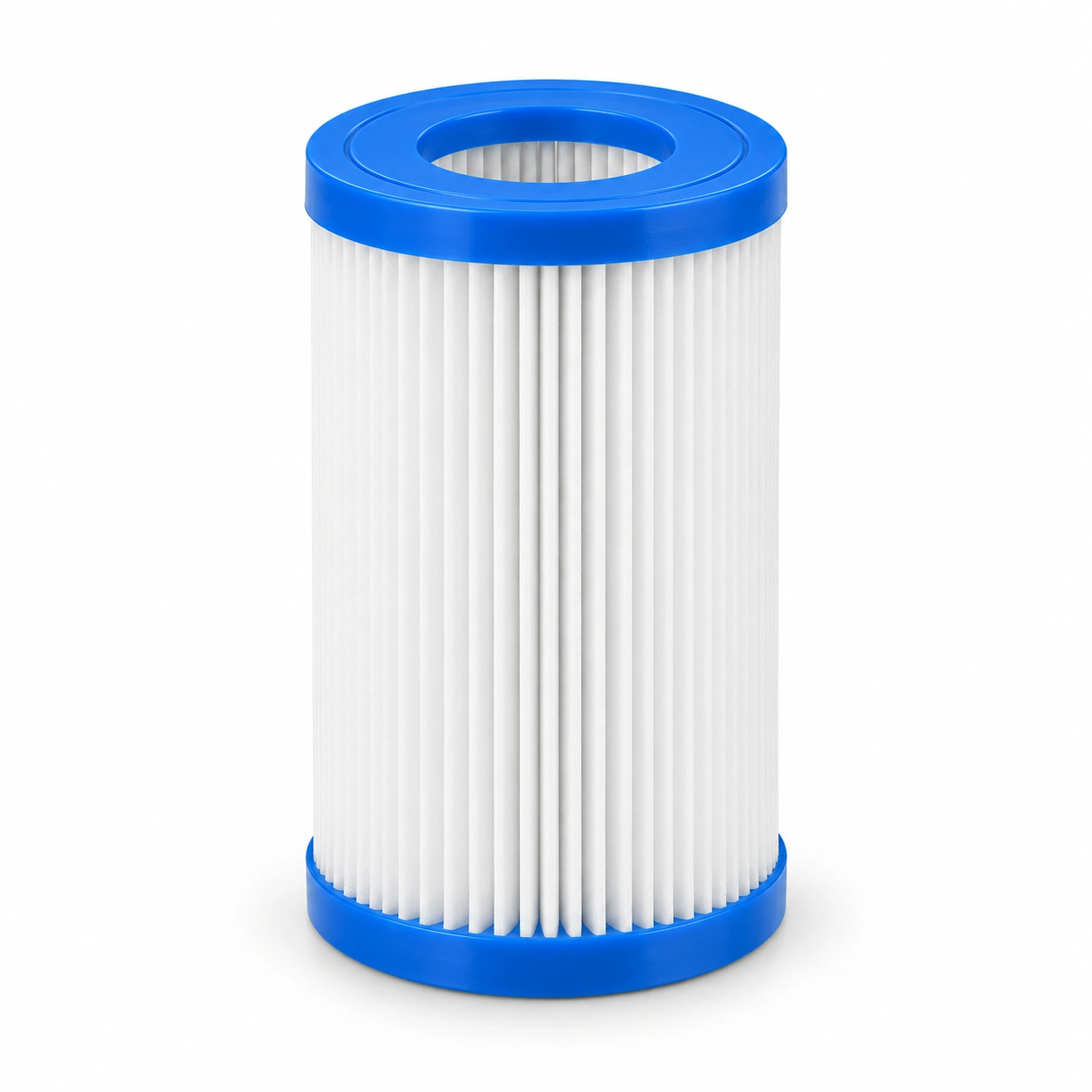
Replacement Filter Cartridges

Replacement Filter Cartridges

When sourcing replacement pool filter cartridges, match the original housing reference, cartridge dimensions, end-cap geometry and sealing method. Similar-looking products may not fit.

Housing cross-referenceMedia and end-cap dimensions
Replacement Pool Filter Cartridges: OEM Fit and Cross-Reference
  • Start with the original filter-housing reference and cross-check overall length, external diameter and end-cap geometry.
  • Identify core diameter, seal type, media construction and the fit tolerances that affect leakage or bypass.
  • Request material specifications, performance-test basis where claimed, packaging and lot traceability.
  • Confirm long-term reorder consistency and whether replacement identifiers remain stable across model revisions.
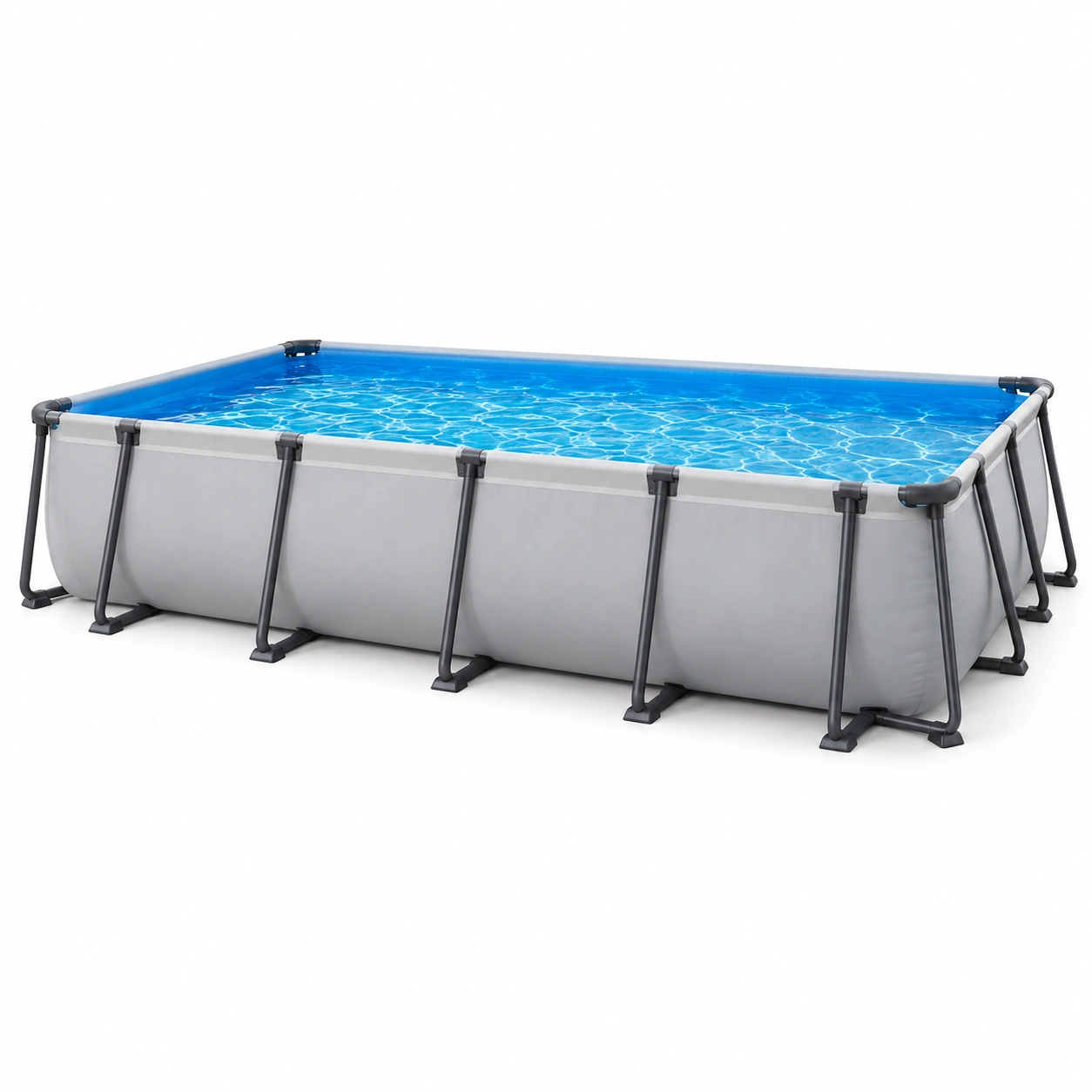
Above-Ground & Drop-Stitch Pools

Above-Ground & Drop-Stitch Pools

A private-label drop-stitch pool RFQ should specify wall and floor construction, dimensions, water fittings, repair method and packed size. Pool structures require different supplier checks from pumps and filters.

Wall/floor build and fittingsCarton volume and repair plan
Drop-Stitch Pool OEM Sourcing: Construction, Accessories and Packaging
  • Separate inflatable drop-stitch, rigid-frame and other above-ground pool structures; their material and repair requirements differ.
  • Compare finished dimensions, wall and floor layer construction, seam design and water inlet/outlet fitting positions.
  • Calculate carton volume, packed weight, container utilization and retail handling requirements before comparing FOB offers.
  • Request material documentation, assembly instructions, fitting lists and the proposed patch or seam-repair procedure.
PRODUCT RANGE

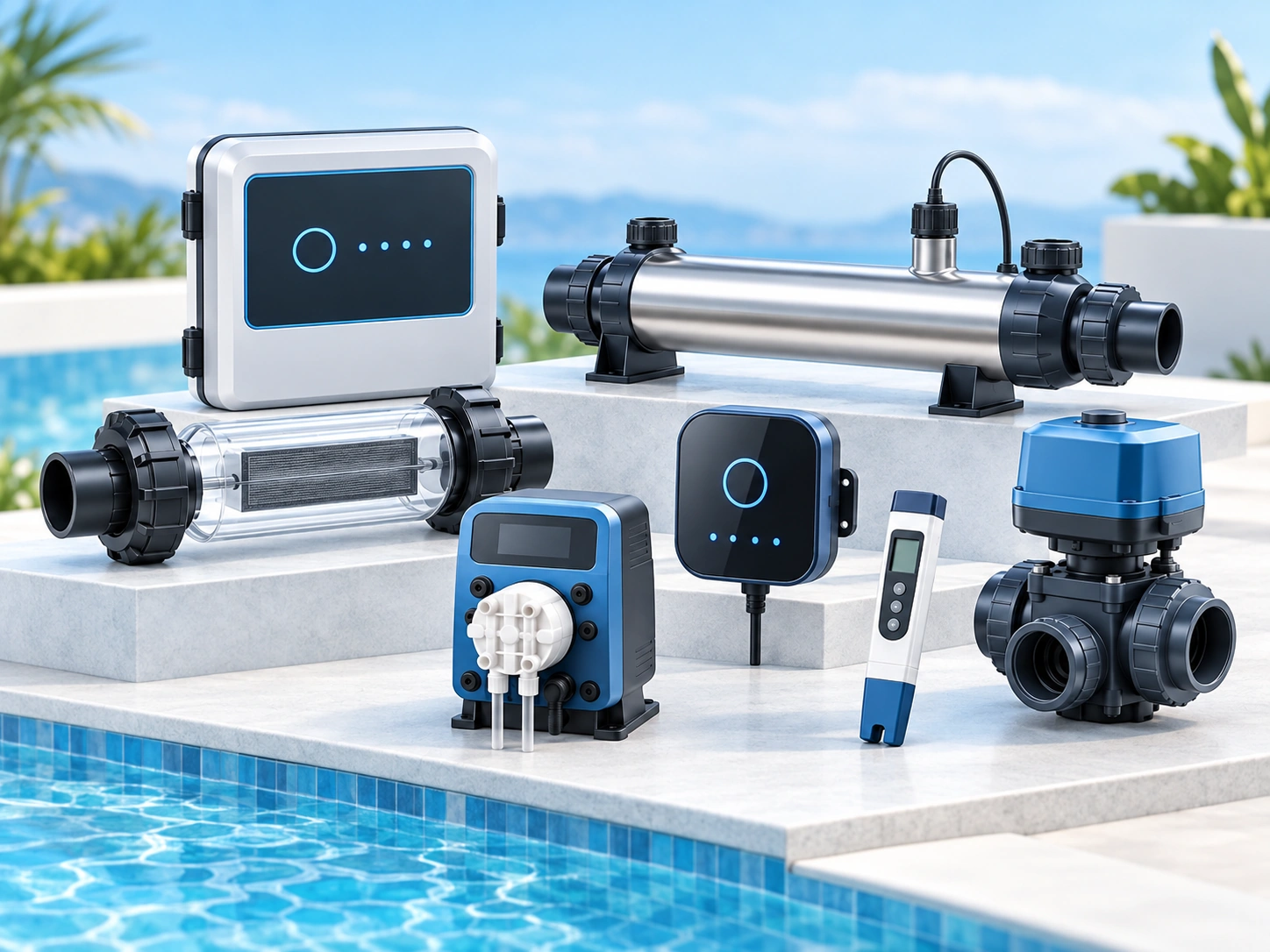
Water treatment, testing & automation

Compare treatment output and operating conditions, then plan sensor calibration, replacement consumables and integration.

Back to categories ↑
Salt Chlorinators

Salt Chlorinators

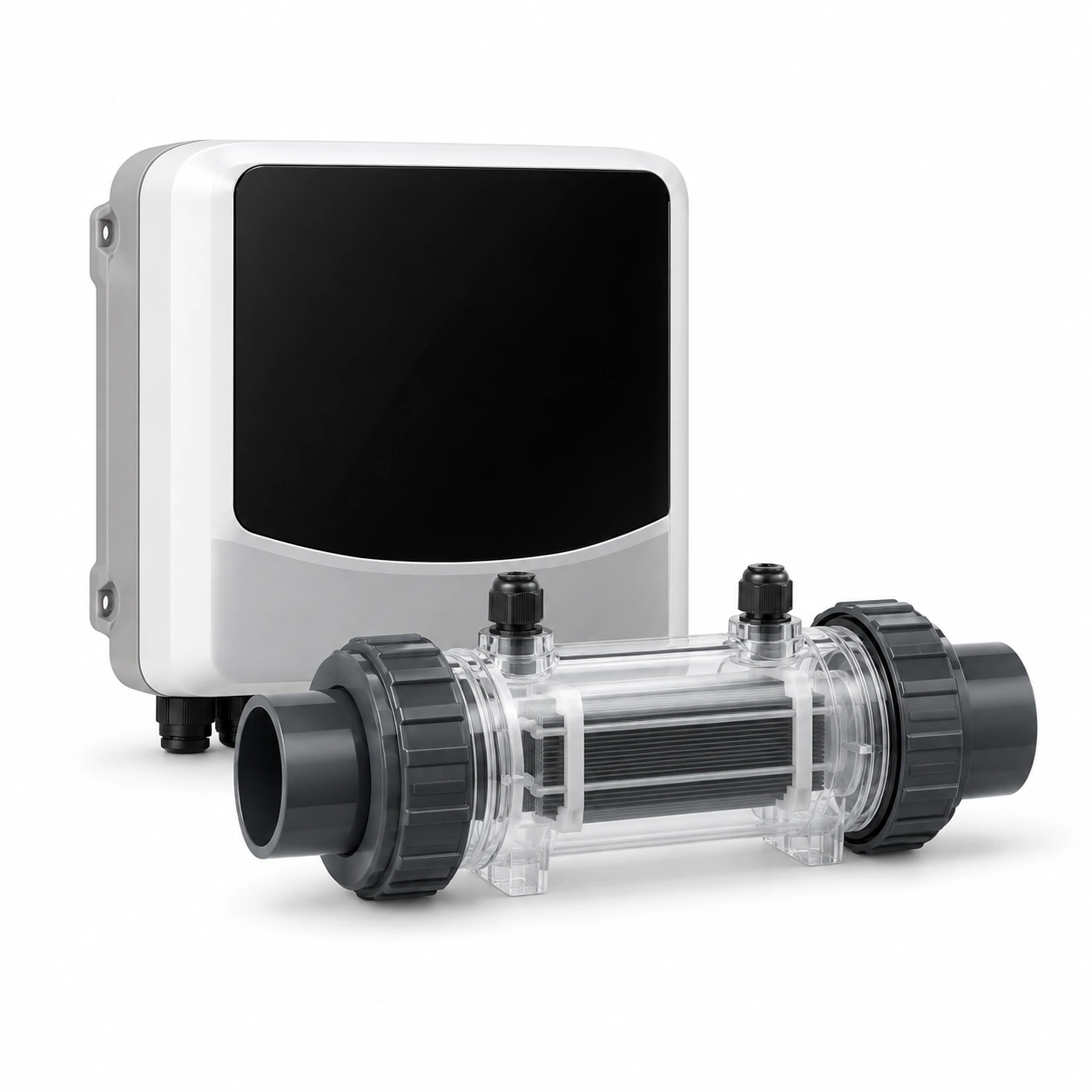
For salt chlorinator OEM sourcing, compare cell output at stated salinity and water conditions, controller compatibility and the availability of replacement cells. These affect service cost beyond the initial unit price.

Output basis and salinity rangeReplacement-cell availability
Salt Chlorinator OEM: Cell Output and Replacement Parts
  • Specify target pool volume and desired chlorine output together with the rated water temperature and salinity conditions.
  • Ask how cell-output and service-life claims were tested and whether the figures cover the quoted model.
  • Check controller functions, flow protection, installation connections and compatibility with pool automation.
  • Confirm replacement-cell model numbers, electrode specifications, warranty treatment and expected consumable supply.
UV Water Treatment

UV Water Treatment

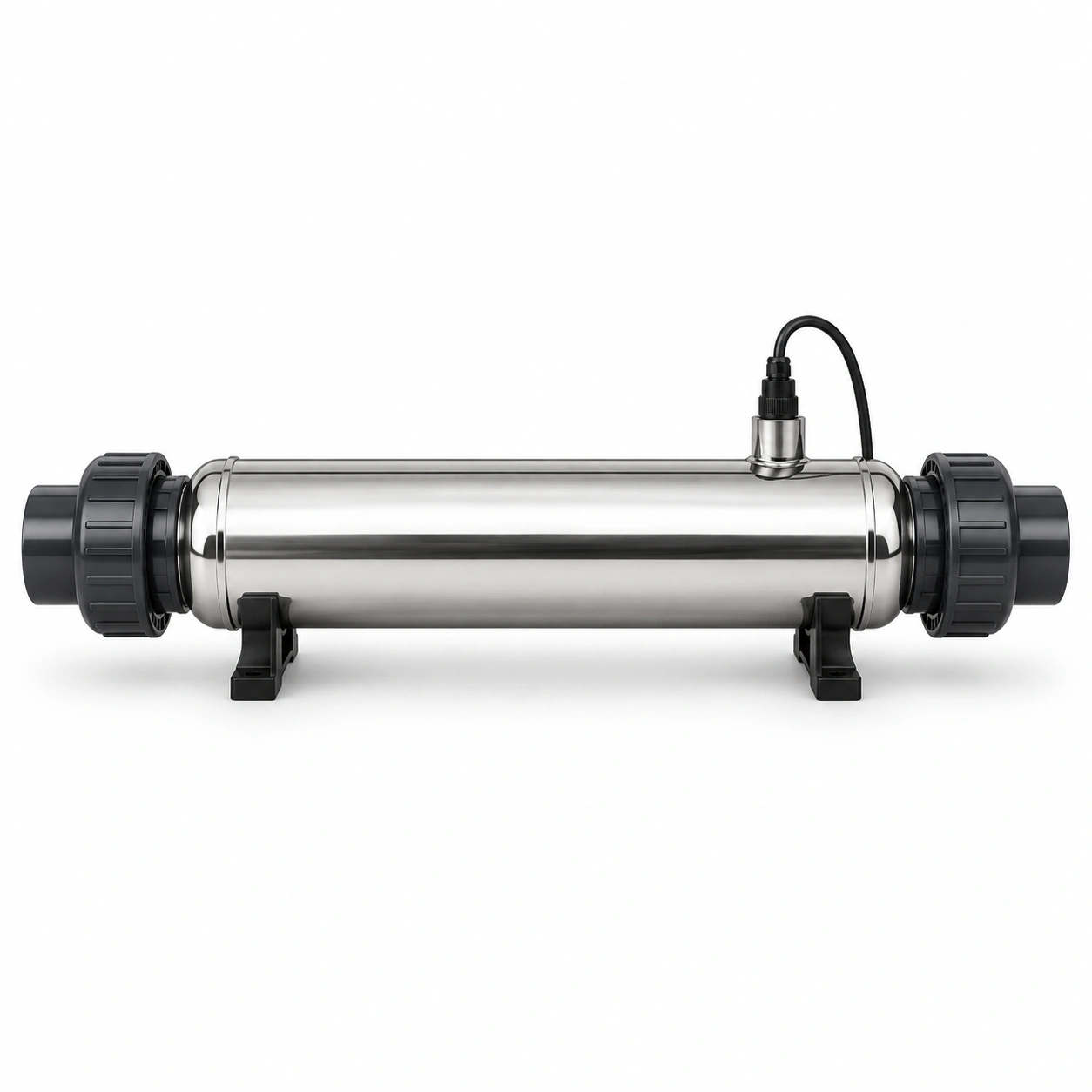
When evaluating UV pool treatment suppliers, compare stated UV performance at the intended flow and water-transmittance conditions. Include lamp, sleeve and ballast replacement in the RFQ.

Flow and transmittance assumptionsLamp and sleeve replacement
UV Pool Water Treatment: Flow Rate, UV Dose and Lamp Service
  • Define circulation flow and the intended UV role within the wider water treatment process.
  • Compare UV dose or performance claims only with the associated flow, UV transmittance and operating assumptions.
  • Check chamber materials, lamp or LED configuration, sleeve cleaning, status monitoring and installation space.
  • Request lamp, ballast or sleeve service documentation and the basis for any stated replacement interval.
Automatic Dosing Pumps

Automatic Dosing Pumps

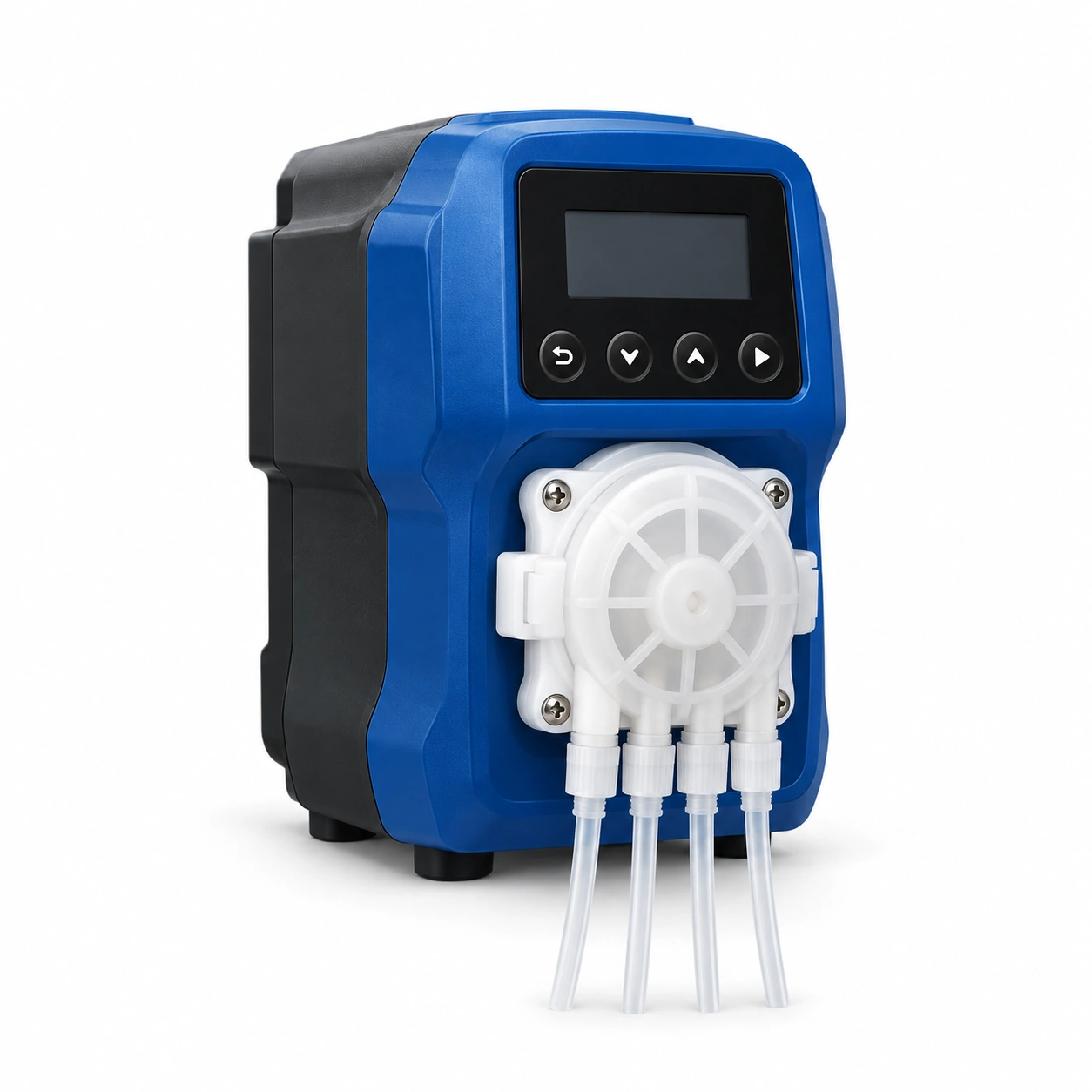
A dosing pump RFQ should identify the chemical, required dosing range, working pressure and wetted-part materials. Chemical compatibility and control method matter more than nominal flow alone.

Chemical and tubing materialsPressure, dosing range and controls
How to Select Chemical Dosing Pumps for Pool Water Care
  • Identify the intended chemical, dosing range, system pressure and required dosing or feedback-control method.
  • Check chemical compatibility of tubing, diaphragms, valves and other wetted components for the target application.
  • Compare calibration method, pump accuracy basis, anti-siphon protection and controller signal compatibility.
  • Ask for consumable part numbers, installation diagrams, tubing replacement guidance and exact-model supporting data.
Smart Water Quality Monitors

Smart Water Quality Monitors

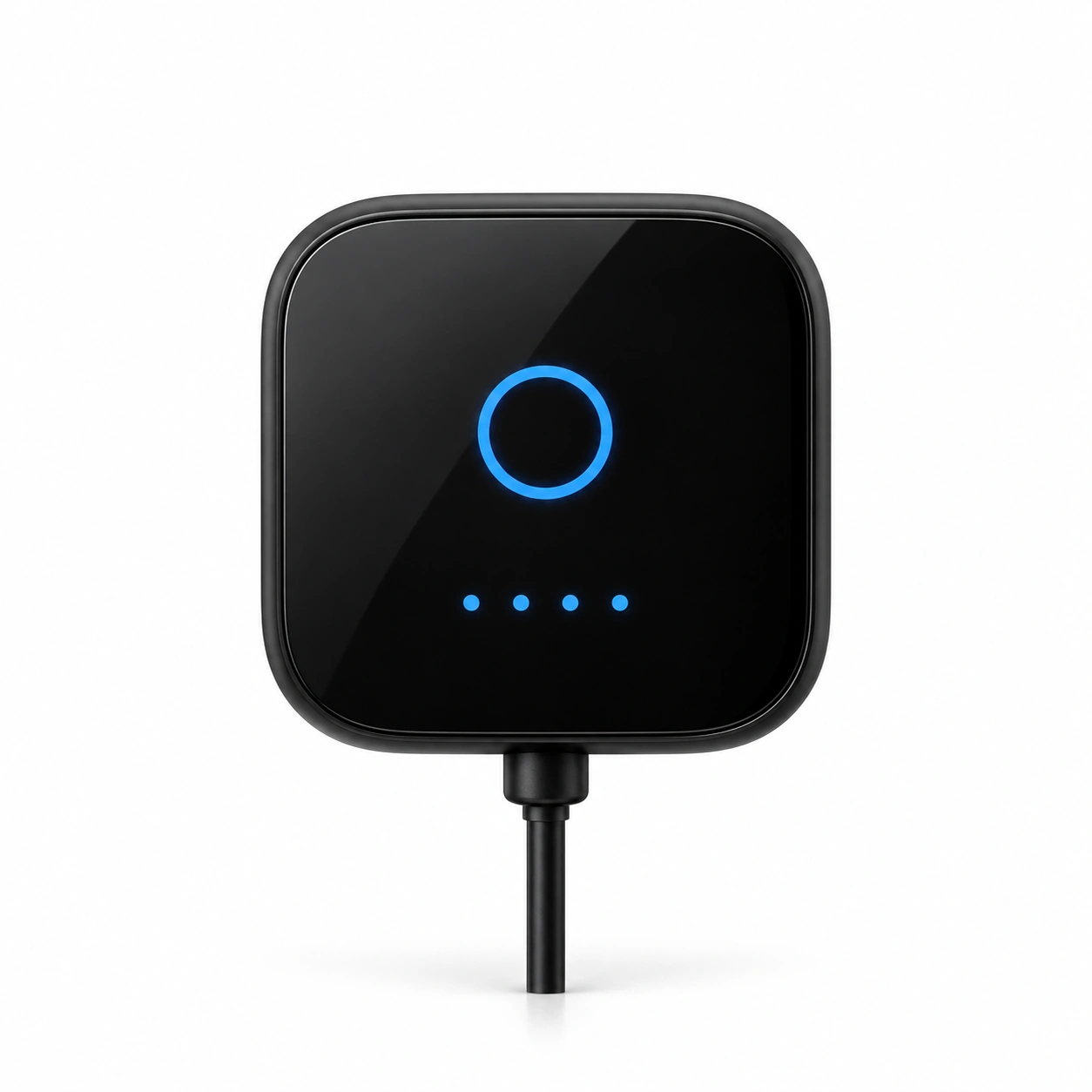
For smart pool water monitor sourcing, confirm which parameters are measured, sensor accuracy, calibration frequency, app or cloud dependency and replacement-probe availability.

Measured parameters and accuracyCalibration, connectivity and data
Smart Pool Water Monitor OEM: Sensors, Calibration and App Support
  • List which water parameters the sensor measures directly, and which readings are calculated or inferred.
  • Compare accuracy claims with their calibration method, reference tests and the expected service interval.
  • Check wireless range, cloud/app dependency, data ownership, API integration and practical maintenance access.
  • Confirm replacement probes, batteries, calibration supplies and support for the destination language or region.
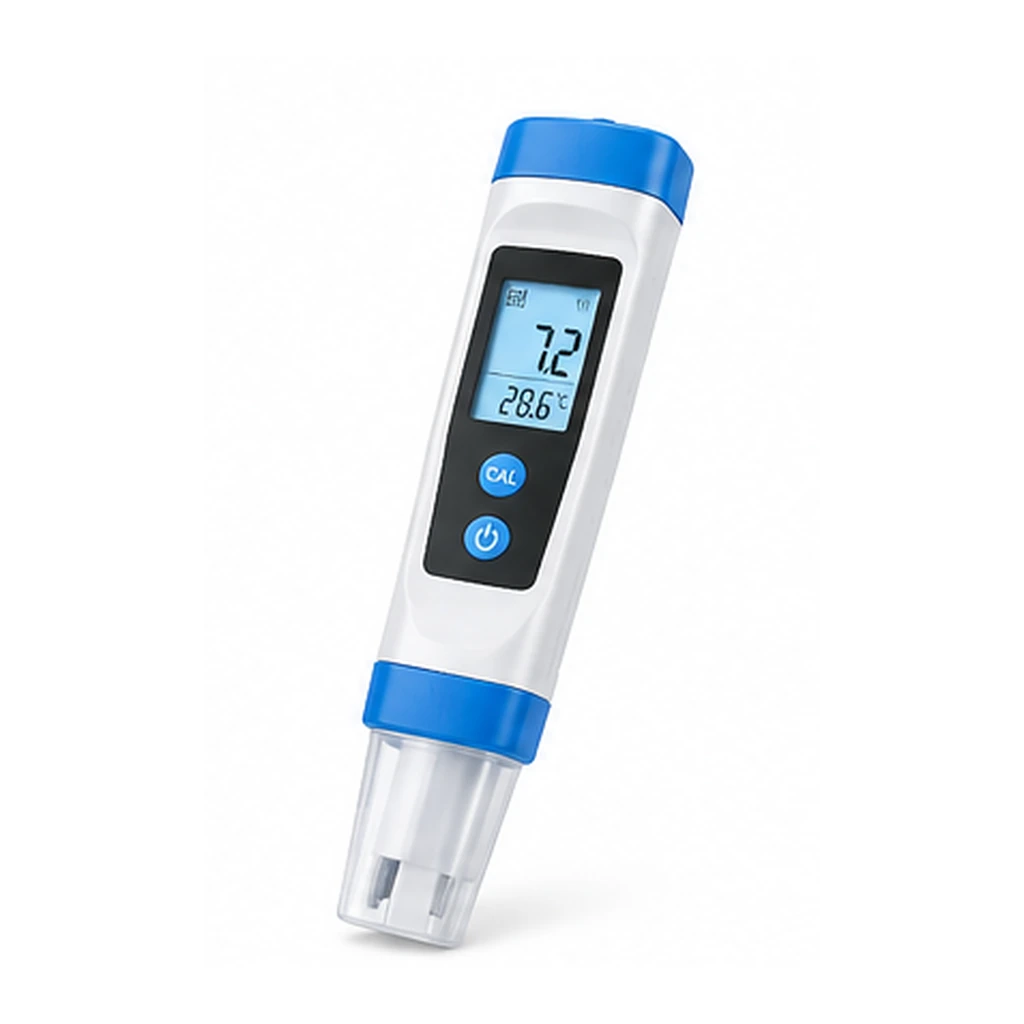
Digital Water Testers

Digital Water Testers

Compare digital pool water testers by measurable parameters, test method and calibration requirements. Reagents, probes and other recurring supplies affect distributor after-sales support.

Measurement range and methodCalibration and consumable supply
Digital Pool Water Testers: Test Methods, Accuracy and Consumables
  • Specify the exact chemical parameters, measurement ranges and target user—pool technicians, dealers or end consumers.
  • Check reading accuracy, calibration procedure and the test method underlying each stated measurement.
  • Distinguish reagent-based photometers from probe-based testers; their consumables and maintenance differ.
  • Ask for reference solutions, probes, reagent availability and replacement-part or warranty procedures.
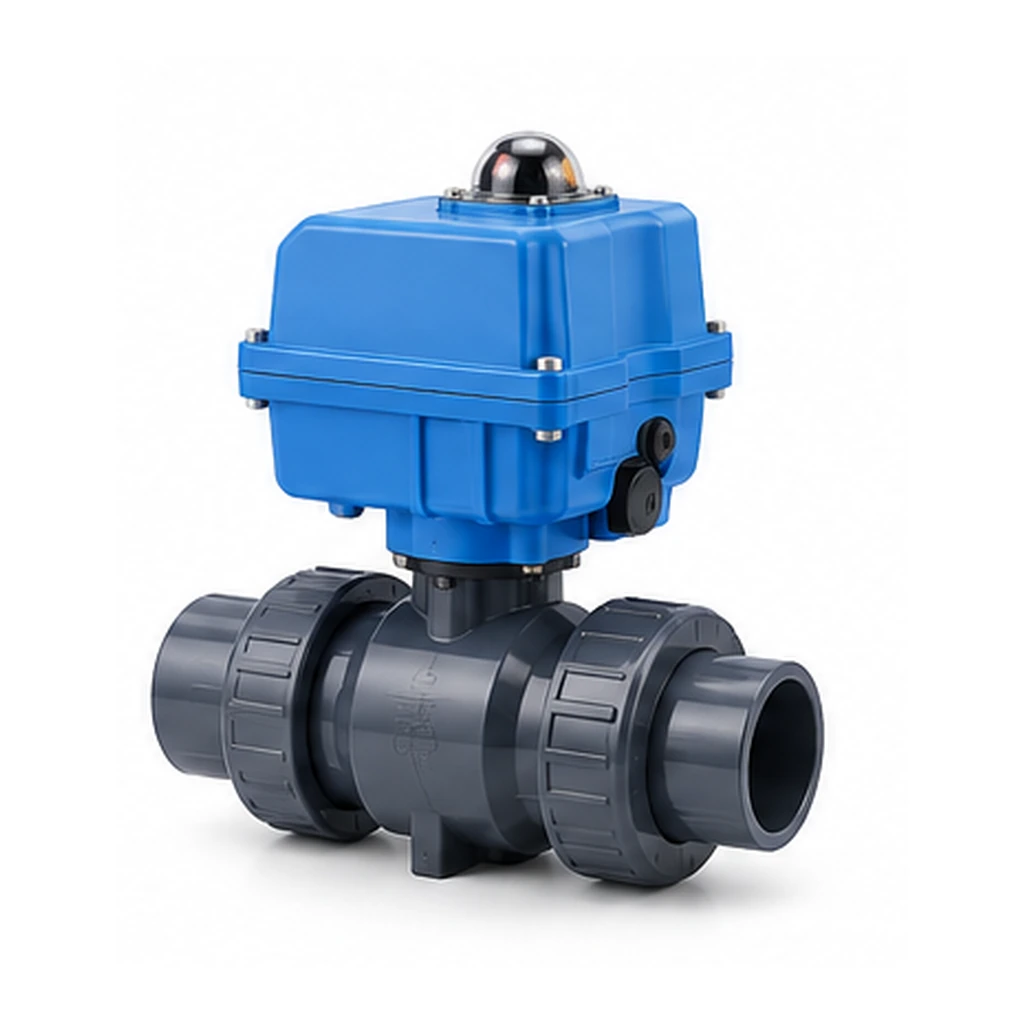
Automated Valve Actuators

Automated Valve Actuators

Before sourcing pool valve actuators, confirm valve spindle geometry, mounting interface, required torque, rotation angle and automation-control signals. Nominal size alone does not establish compatibility.

Valve spindle and mounting fitTorque and controller interface
Pool Valve Actuator Compatibility: Questions to Ask Suppliers
  • Match the actuator to valve brand, spindle shape, mounting interface, rotation angle and port arrangement.
  • Specify torque, cycle time, electrical supply and the intended automation-control interface.
  • Check weather exposure, enclosure design and installation instructions for the proposed equipment location.
  • Confirm manual override, position feedback where needed, replacement drive units and wiring diagrams.
PRODUCT RANGE

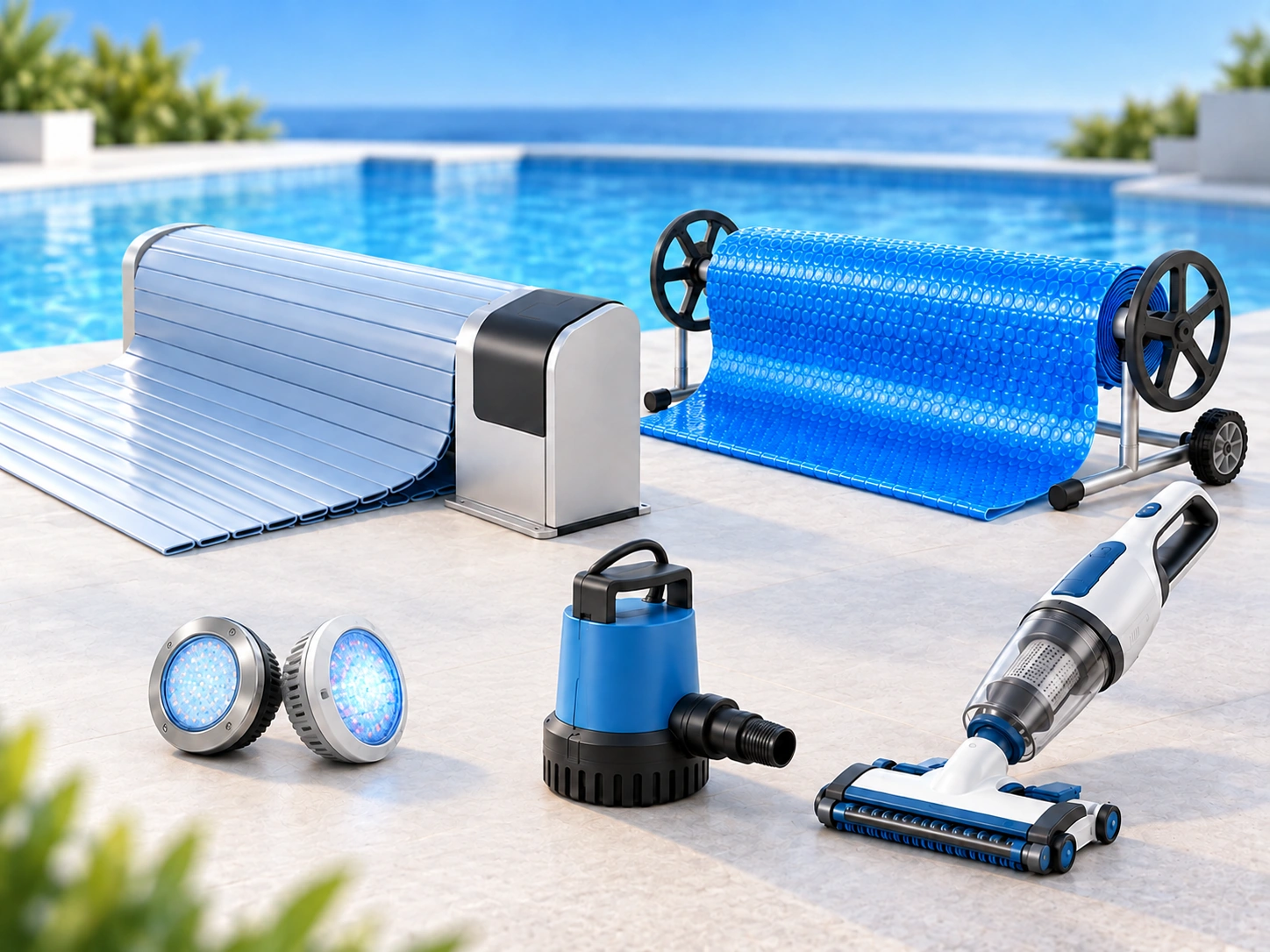
Lighting, covers & cleaning

Installation compatibility, outdoor exposure and repairable components often matter as much as the initial hardware price.

Back to categories ↑
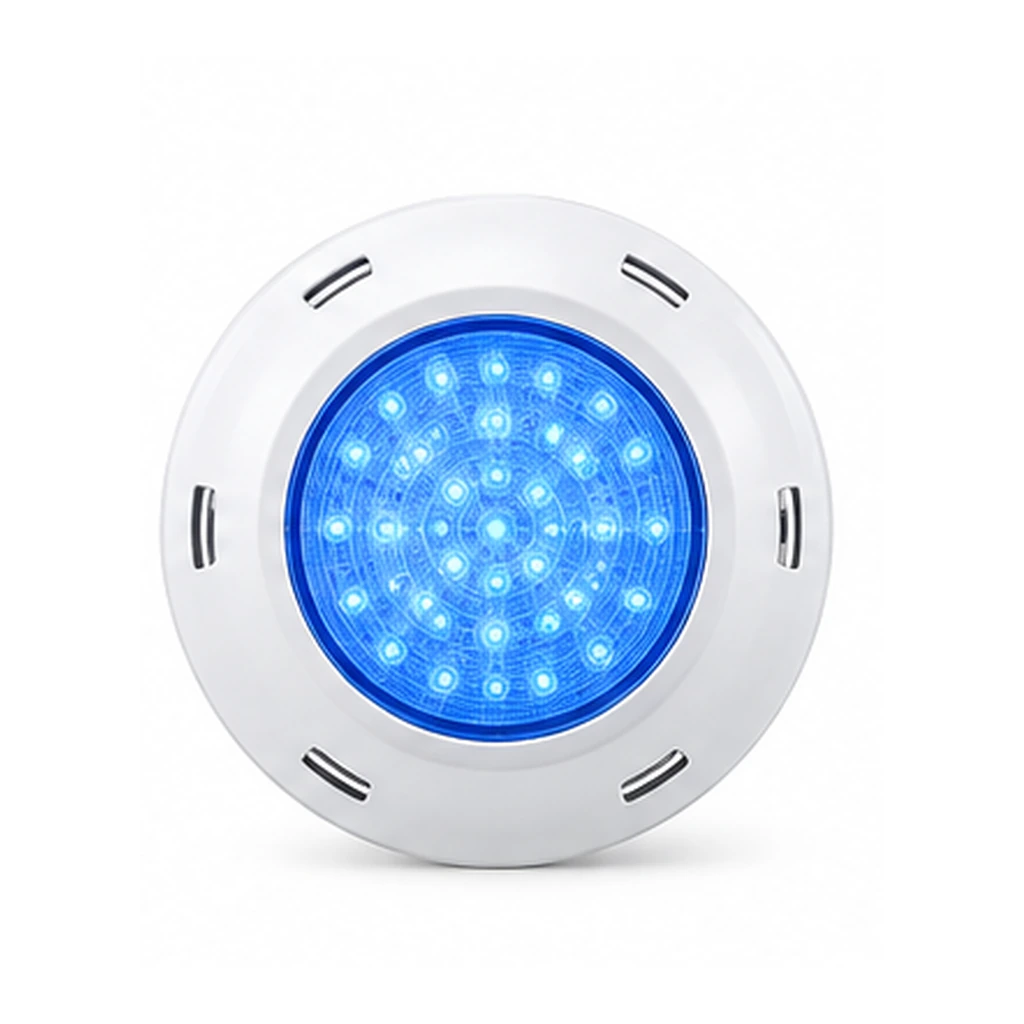
Low-Voltage LED Pool Lights

Low-Voltage LED Pool Lights

For private-label underwater LED pool lights, specify niche or wall-mount dimensions, supply voltage, cable configuration and underwater sealing evidence. Verify controller compatibility for the intended installation.

Mount type and cable arrangementElectrical and ingress evidence
Underwater LED Pool Light OEM: Mounting, Voltage and Sealing
  • Define the wall-mount or niche type, fitting dimensions, lighting effect and supply voltage before requesting samples.
  • Compare underwater sealing construction, cable gland, housing material and declared ingress-protection evidence.
  • Check transformer and controller compatibility, colour-control functions and the replacement method.
  • Ask for model-specific electrical documentation and installation instructions relevant to the destination market.
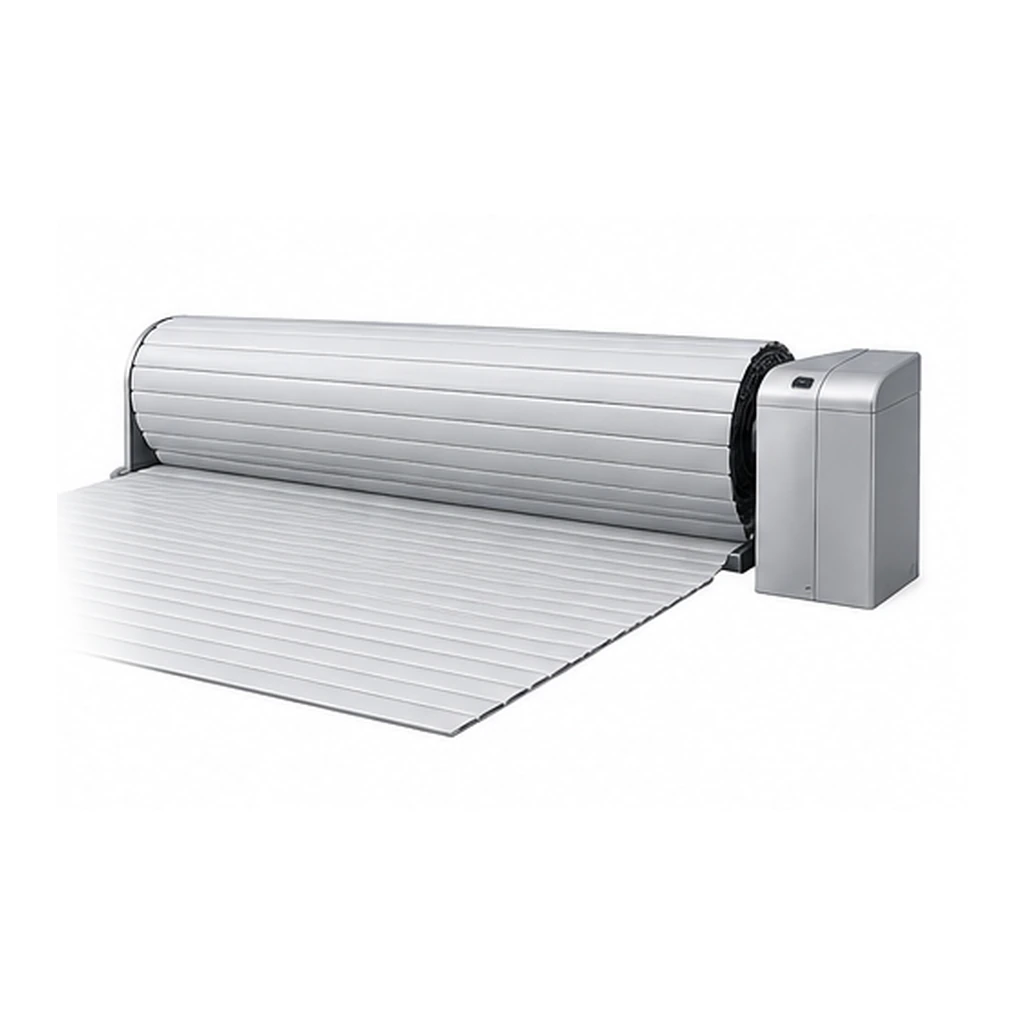
Automatic Pool Covers & Motors

Automatic Pool Covers & Motors

Compare automatic pool cover suppliers using the pool geometry, cover construction, track or reel arrangement and motor sizing. Include manual operation and service-part access in the project specification.

Pool shape, dimensions and guidesDrive, controls and spare parts
Automatic Pool Cover Sourcing: Motor, Track and Installation Specs
  • Provide the pool outline, dimensions, obstacles and planned above-ground or concealed installation design.
  • Compare cover material or slat construction, track/guidance system, reel arrangement and motor sizing criteria.
  • Ask about manual/emergency operation, user controls, installation checks and applicable local safety obligations.
  • Confirm gearmotor, sensors, cover sections and other replaceable components and their service procedures.
Solar Pool Cover Reels

Solar Pool Cover Reels

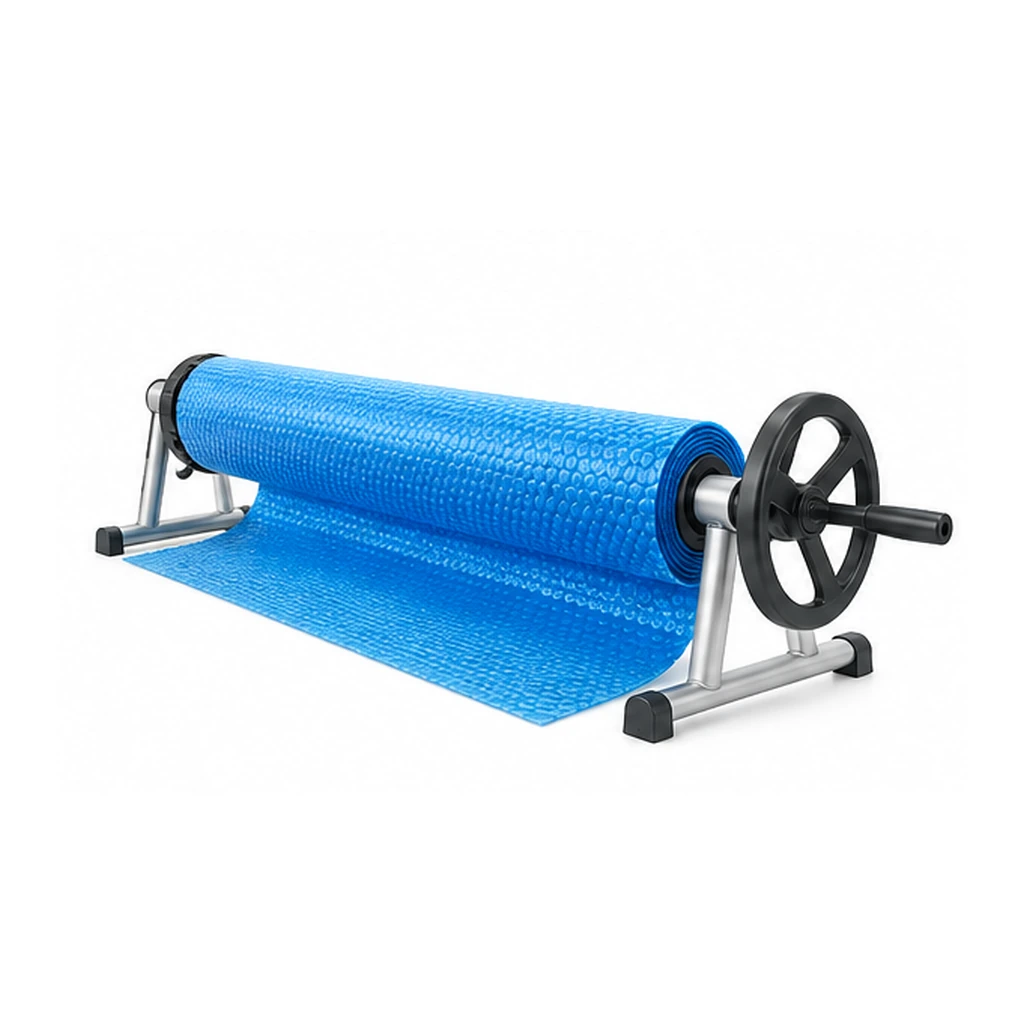
For solar pool cover reel sourcing, define pool width, cover weight, roller span, corrosion exposure and carton size. These factors affect product fit, shipping cost and retail assembly.

Roller span and cover weightFrame, bearings and corrosion
Solar Pool Cover Reels: Sizing and Wholesale Packaging
  • Define the pool width, expected cover weight, roller placement and fixed or portable stand preference.
  • Check tube span, material, bearings, support stability and drive mechanism for the intended use.
  • Ask about outdoor corrosion exposure, fixing hardware and installation on typical pool decks.
  • Compare packed dimensions, retailer assembly requirements and spare straps, wheels or handles.
Pool Cover Drainage Pumps

Pool Cover Drainage Pumps

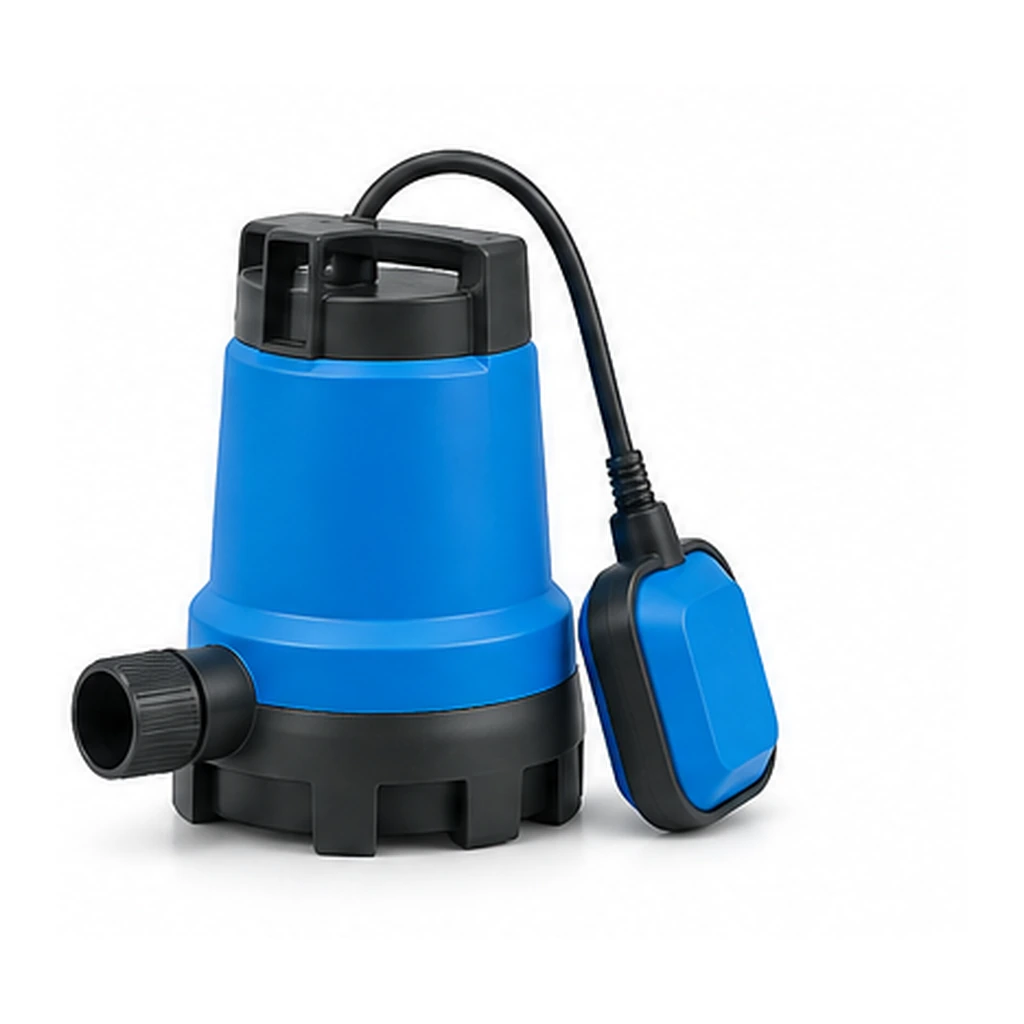
Compare pool cover drainage pumps at the installed discharge head, not free-flow capacity alone. Review water-level switching, debris tolerance, discharge fittings and outdoor electrical requirements.

Activation threshold and liftDischarge hose and debris tolerance
Pool Cover Drainage Pumps: Discharge Head and Automatic Operation
  • Define expected standing-water volume, discharge head and hose length instead of comparing nominal flow alone.
  • Check water-activation sensor or float-switch operation and how the pump behaves when water level falls.
  • Clarify tolerated debris, dry-run features, outdoor electrical requirements and winter storage constraints.
  • Ask for discharge fittings, cleaning access, exact-model test basis and warranty service procedure.
Handheld Cordless Pool Vacuums

Handheld Cordless Pool Vacuums

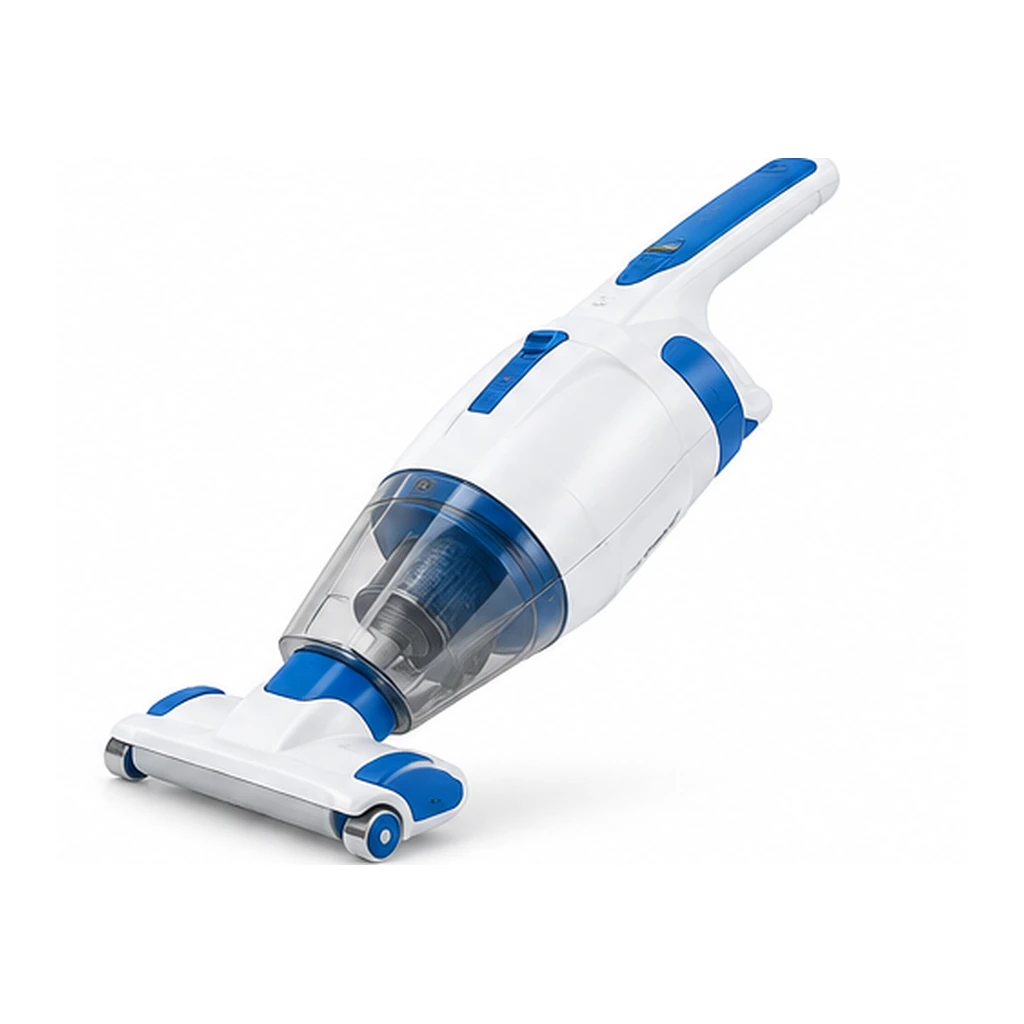
When sourcing handheld cordless pool vacuums, compare debris pickup, filtration, runtime under stated conditions, charging configuration and replaceable filters or batteries for the target retail channel.

Debris type and filter accessRuntime conditions and charging
Cordless Pool Vacuums for Distributors: Performance and Spare Parts
  • Select by intended use—spa, steps, above-ground pool or spot cleaning—and by the debris types encountered.
  • Compare cleaning head, filter retention, basket access, suction performance and stated battery-runtime test conditions.
  • Check charging arrangements, sealing, rinse/maintenance steps and replacement battery or filter availability.
  • Ask for product-specific documentation and a realistic after-sales parts plan for the destination channel.
BETTER B2B RFQS

Pool Equipment RFQ Checklist for Importers & Distributors

A clear pool equipment RFQ tells potential suppliers where the product will be sold, how it will be used, which specifications matter, the expected order scope and the service requirements. That makes competing quotations easier to compare.

01 · Market & channel

Destination country, importer role and route to market.

02 · Product & application

Which pool system, user scenario or equipment direction?

03 · Technical configuration

Key operating conditions, fittings, documents and OEM scope.

04 · Commercial scope

Planned range, quantities and delivery timing.

05 · Service plan

Spare parts, warranty, documentation and support expectations.

Build a stronger pool equipment range with less sourcing friction

Bring your product plan and target market into one coordinated sourcing process. ROBOMISE helps you identify candidate suppliers, prepare comparable product requirements, and organize OEM/ODM options across pool equipment families.

Get clearer supplier comparisons, better-focused sample requests and a practical plan for documentation, spare parts and after-sales preparation before you commit to a product range.

Start a Project →

Building your next pool equipment range?

Share your market, target product families, specifications and supplier questions. We will identify which sourcing checks make sense next.

Discuss Your Requirements →